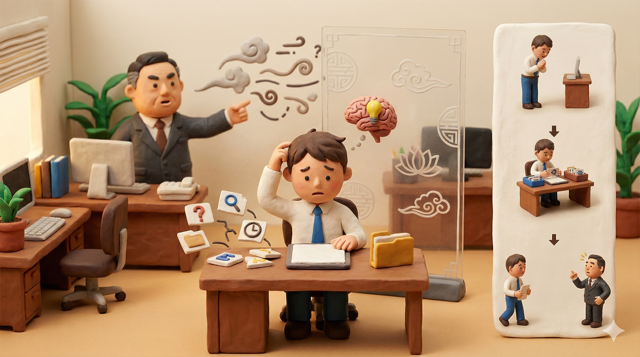
Should You Reply to Work Messages After Hours?

# Why one notification can steal your whole evening
It’s 8 p.m. I’ve just rinsed off, picked up my spoon, and my phone lights up. One line next to my team lead’s name.
“Could you check this file?”
It doesn’t say it’s urgent. But once that notification lands, dinner stops tasting right. Do I need to answer now? If I wait until tomorrow morning, will I get hit with a why-didn’t-you-answer-sooner complaint? The read receipt is probably already there. If I pretend I didn’t see it, will that be obvious? And yet the second I send back, “Sure, I’ll take a look,” my evening feels over. In the end, I put down my spoon and open my laptop. Nobody actually told me to do it right now.
The strange part comes next. The work is done in ten minutes. But I stay in a bad mood for the rest of the night. It isn’t because I have too much work. It’s because I’m left wondering whether I really clocked out at all.
That’s where the discomfort starts. The problem with after-hours messages isn’t just the amount of work. It’s that the sender and the receiver are living in completely different time zones, even when they’re reading the same message.
For the person receiving it, evening is the only part of the day that belongs to them. It’s the one moment they can finally breathe. For the person sending it, though, that same time is when they finally clear out whatever they couldn’t finish during the day. Once they toss the thought into a messenger app, they feel lighter. It may be nothing more than a note to keep from forgetting. (Some bosses will even say that straight out: they’re calling now because they’re afraid they’ll forget.) In a small company, where one person is doing the work of three or four, that only gets worse. It’s normal for missed tasks to come back to you at night, and if one check gets stuck, tomorrow’s schedule can slide right behind it.
The problem is that the message doesn’t come with a deadline. The sender may think, I’ve sent it, so they’ll look at it tomorrow and handle it then. But that part isn’t written anywhere. A messenger strips out facial expressions, tone, and weight, and leaves only the words that point to a task. So “Could you check this?” can read like “Do it now” when it hits your screen at 9 p.m. The sender left a note. The receiver got an instruction. Same sentence, completely different meaning.
What makes it worse is what happens next. Once you reply quickly, that becomes the new standard for how fast you’re supposed to answer. You answered in ten minutes yesterday, so now people expect the same today. A rule no one ever agreed on appears out of nowhere. In a group chat with the whole team, the fastest responder ends up setting the pace, and everyone quietly gets dragged into that same deadline. The person who replies slowly starts looking careless. The person who replies quickly is expected to get even faster. When that keeps happening, words like “urgent” and “important” lose their meaning. They’re just a constant poke.
So if you get twitchy every time your phone buzzes at night, it’s not because you’re overly sensitive. It’s because you’re being forced, over and over, to judge vague expectations and half-formed feedback without any protection from a clear rule. Of course it wears you down. Even the sound of a notification can start to feel exhausting.
Honestly, this setup isn’t easy to change. Your company probably isn’t going to make a new after-hours contact policy tomorrow, and your manager isn’t suddenly going to start writing nicer messages. If you sit around waiting for the company to fix it, all you’re doing is letting it keep stealing your evenings. You have to start with the parts you can control.
When a message comes in, ask yourself one thing before you answer: if I don’t deal with this tonight, will the company fall apart tomorrow? If not, it can wait until morning. The anxiety may still be there. But you should figure out whether that anxiety is coming from the actual weight of the work or from the habit of always replying right away. Most of the time, it’s the second one. What scares you is less the business issue itself than your personal relationship with your boss.
If there’s no deadline written in the message, it’s fine to ask. “Got it. Would it be okay if I checked this by tomorrow morning?” That’s enough. Rather than guessing the deadline someone else never stated and jumping straight to the worst-case scenario, it’s much cheaper to ask once. More often than not, the answer comes back as, “Yes, tomorrow is fine.” If that answer stacks up a few times, you won’t even need to ask next time. (And if I were the team lead, I’d make sure to give a deadline up front when I absolutely had to contact someone. Honestly, unless it’s an emergency, it’s better not to message after hours at all. If you need a work note, use a personal task tool.)
It also helps to say ahead of time when you can reply. Not on the night something blows up, but regularly, so the message sinks in. And keep the tone flat. “I usually don’t check my phone after work, so I may not see it right away. But I’ll look as soon as I can. If it’s truly urgent, please call me and I’ll pick up.” That isn’t a way of dodging work. It’s a promise that you’ll still take truly urgent calls. If you don’t say this in advance, they may read your silence as neglect, and you’ll read their message as pressure. It’s better to have one awkward conversation than to keep building layers of misunderstanding.
And don’t confuse a fast reply with being dependable. A sharp response at 10 p.m. isn’t proof of dedication. It’s just you raising the bar for your own next reply. That standard ends up tying you down. Even if you reply quickly and work hard, the other person will probably just think you’re convenient, not especially admirable.
Of course, there are places where none of this works. Places where late replies bring obvious backlash, or where evening messages have become less a habit than part of how work is done. In those places, the problem isn’t your tactics. It’s the company or the organization itself. That’s not a gap you can patch with personal tricks. Accepting that is part of keeping your sanity. “So this is just how this place is,” and then you keep drawing a paycheck while you quietly prepare to leave.
That little thump in your chest when a notification goes off? There’s no magic way to erase it. No matter how many years you work, you never really get used to that vibration. But if you can remind yourself in that moment that you’re not weak — a deadline-free line just landed in your evening — then at least you stop blaming yourself. That alone makes a difference. There’s nothing wrong with being worn down by anxiety and pressure.
One more thing. The person who sent the message is probably eating dinner right now. They sent it and forgot about it. You’re the only one sitting there all evening, chewing on that one line. So if you’re going to reply, reply. If not, flip your phone face down. The worst place to be is stuck between the two — not working, and not resting either.
The next morning, open the message at work. Ninety percent of the time, it’s nothing. But those two hours you spent last night burning mental energy on that one line? Nobody gives them back.
For anyone tired of getting the short end at work
I aim to publish one essay a week, with an honest look at workplace problems and practical ways to respond. Get each new story by email.
Free. Confirm your email, then keep only the English series selected on the language selection screen. Unsubscribe at any time.
Browse all workplace stories© 2026 Hoseo Lee. All rights reserved. Unauthorized reproduction and use for AI training are prohibited.